
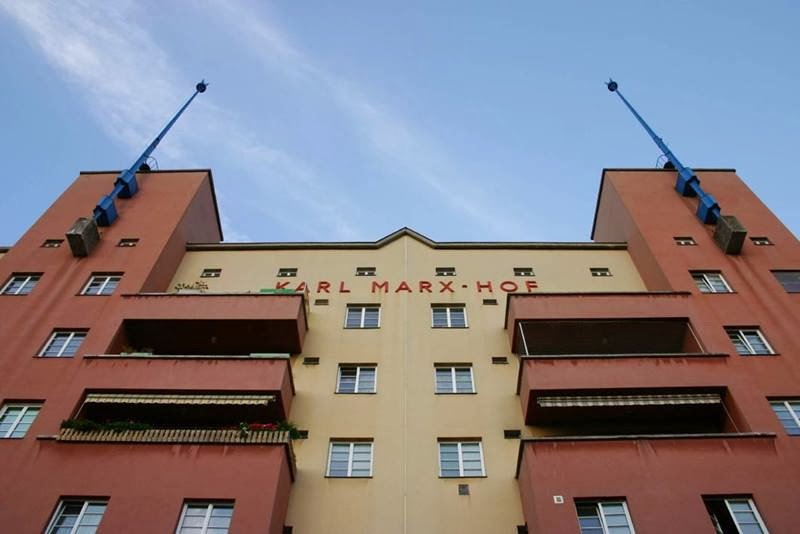
Vienna has no shortage of striking buildings, but nothing else in the world quite matches Karl Marx-Hof. Stretching over 1,100 meters, it holds the title of the world's longest residential building, and honestly, the length is almost the least interesting thing about it. This is a structure that carries an entire political movement inside its walls, built during a period known as Red Vienna, when the city set out to prove that good housing shouldn't be a privilege. Nearly a century later, Karl Marx-Hof still pulls in residents, historians, and curious travelers alike.
The Revolutionary Housing Initiative Behind Karl Marx-Hof
After World War I, Vienna was in crisis. Working-class families desperately needed affordable housing, and the city's socialist government decided to respond in a big way. Between 1927 and 1930, that response became Karl Marx-Hof. The finished building held over 1,300 apartments, home to roughly 5,000 residents at once.
The design came from architect Karl Ehn, who had trained under the famous Otto Wagner. Ehn brought modernist thinking to the project, but he never let function crowd out community. Shared spaces and public services were treated as essential, not optional extras.
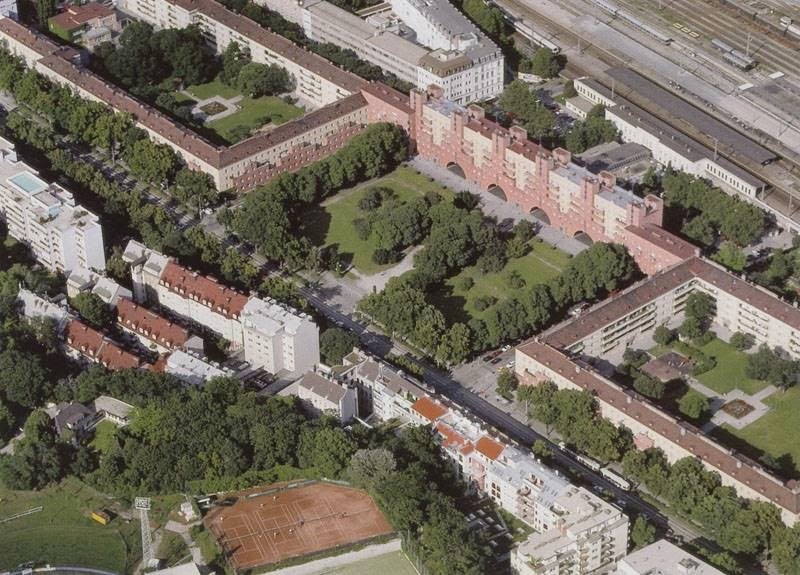
Photo by Austria-Forum.Org
The Architectural Significance
Architecturally, Karl Marx-Hof stands out for more than sheer scale. Its urban design was just as considered. The building sits within sprawling gardens and includes laundries, bathhouses, and meeting halls built right into the plan. Every one of those shared spaces reflects the same underlying idea: build community first, and better living standards will follow.
Here's the part most people don't expect: despite stretching over a kilometer, Karl Marx-Hof only occupies a small slice of its land. In fact, the architects set aside 90% of the property as open, green space. Sunlight and fresh air weren't afterthoughts either. They were treated as core requirements of the health-conscious housing policy driving the whole project.
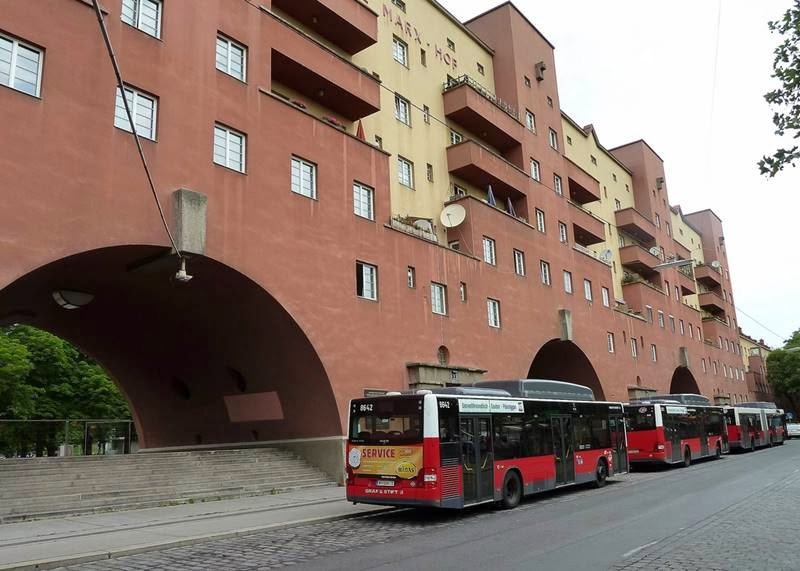
Photo by Jonfholl
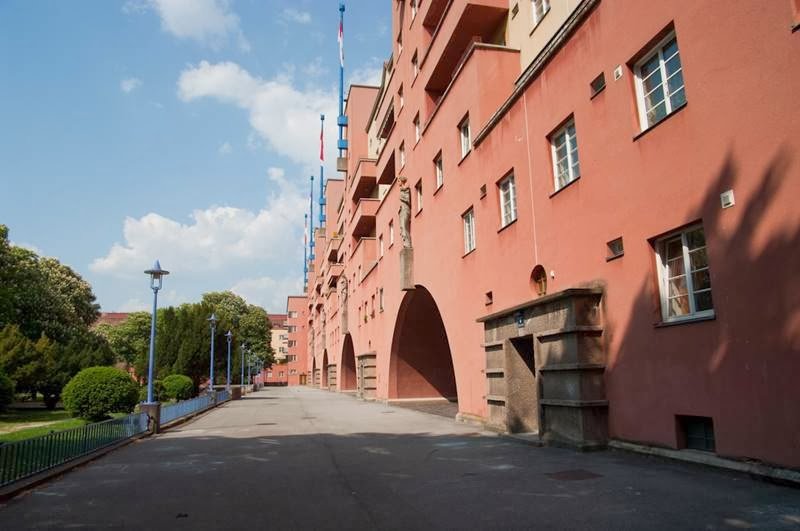
Photo by Flickr User Walter
The Symbolism of Karl Marx-Hof
Karl Marx-Hof was never just an architectural achievement. It's also a potent symbol of the political shift happening across Vienna in the 1920s. During this era, known as Red Vienna, the city was run by the Social Democratic Workers' Party, which pushed hard for policies that actually improved working-class life.
Even the name is a statement. Naming the building after Karl Marx was a deliberate nod to socialist ideals, and it lined up with what the city was actually doing at the time. Vienna's government wasn't just building apartments. It was investing in education, healthcare, and leisure too. That combination made the city a genuine pioneer in social housing, and Karl Marx-Hof became its most visible symbol.
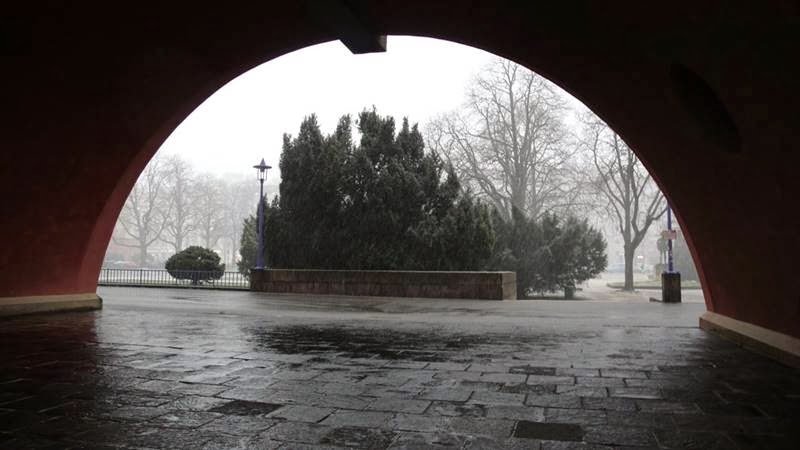
Photo by Flickr User Roger Newbrook
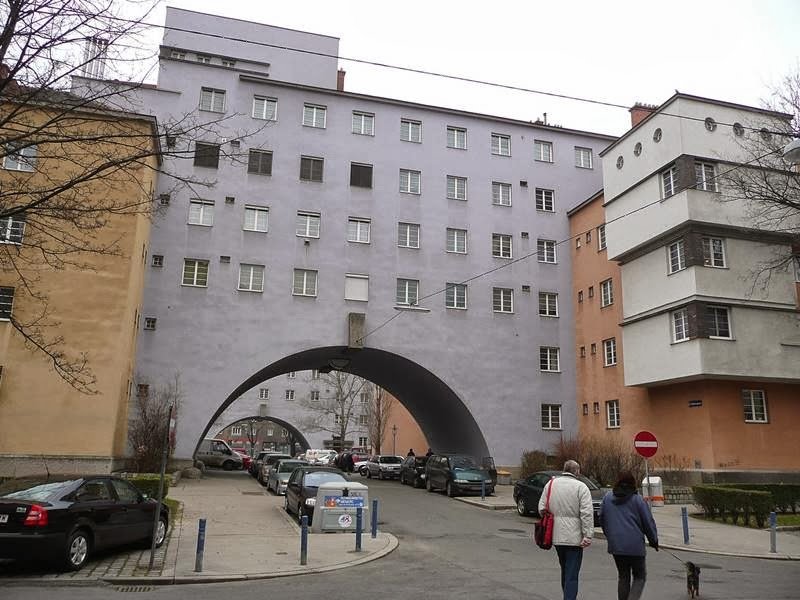
Photo by Flickr User Metro Centric
How it Survived the Turmoil of War
This building has lived through real history, not just witnessed it. During the Austrian Civil War in 1934, Karl Marx-Hof became an actual battleground between socialist forces and government troops. Artillery fire left visible damage, yet the building itself stayed largely intact.
World War II brought a second threat of destruction. Even so, Karl Marx-Hof was rebuilt afterward and went right back to serving as public housing. That resilience, more than anything else, is why the building carries so much historical weight today.
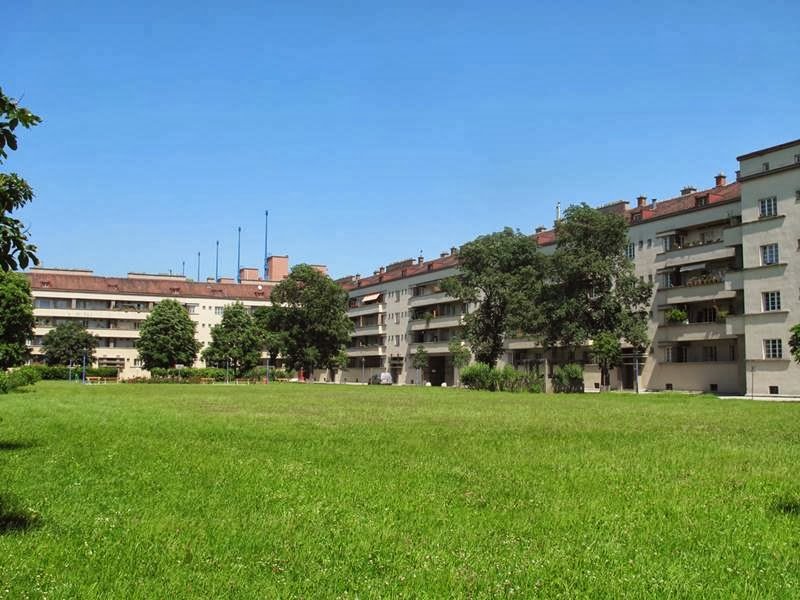
Photo by Flickr User Peter Schär
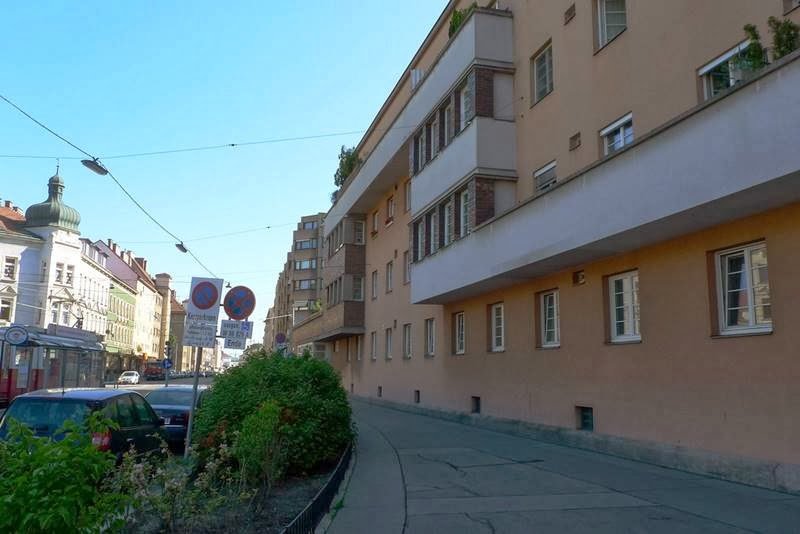
Photo by Flickr User Kitchener.lord
The Legacy of Karl Marx-Hof Today
Karl Marx-Hof is still standing as a reminder of just how far Vienna was willing to go for public welfare. Most of it still functions as housing, though parts of the building now serve other purposes. One of those is the Waschsalon Karl Marx-Hof museum, which walks visitors through the full history of social housing in the city.
For a lot of people, this building is proof that architecture can genuinely drive social change, not just reflect it. It embodies a vision built around equality, shared community, and access to essential services. Because of that, architects, historians, and travelers keep finding their way back to it, drawn in by the mix of function, design, and political meaning all in one place.
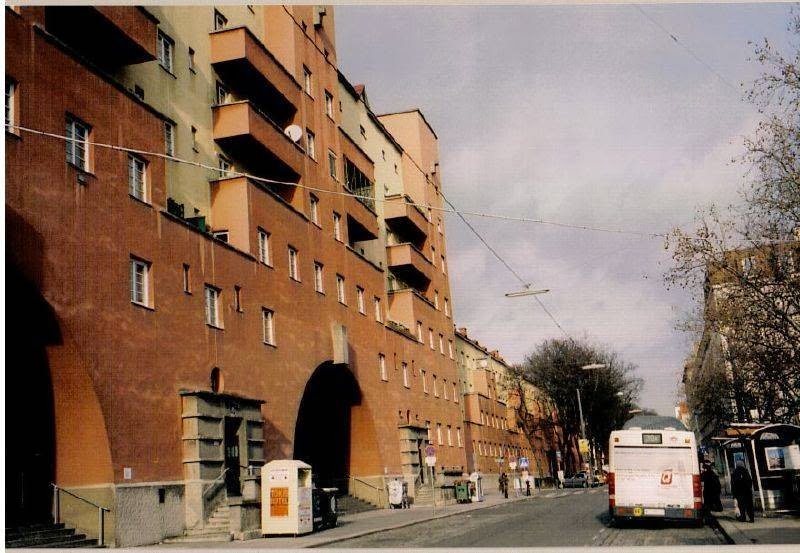
Photo by Flickr User Derek Blackadder
Conclusion: Karl Marx-Hof as a Testament to Vienna's Vision
Karl Marx-Hof remains one of the defining pieces of Vienna's architectural and cultural identity. It stands as a tribute to the city's bold social housing policy and its commitment to housing the working class properly. As the world's longest residential building, it still fuels conversations about urban development, social welfare, and what architecture can actually accomplish. If you're visiting Vienna, this is one landmark you shouldn't skip.





Comments (0)
No comments yet. Be the first to share your thoughts!
Leave a Comment