
Deep in the Mountain Province of the Philippines, the hanging coffins of Sagada hang directly off limestone cliffs. They've hung there for centuries. It's one of the most striking burial traditions in Southeast Asia. It also connects directly to the customs of the Igorot people. These suspended coffins reveal how deeply this community respects the dead. They also show a real reverence for the natural world around them. That combination draws travelers to the Sagada cliff cemetery year after year, and its reputation now reaches well beyond the Philippines.
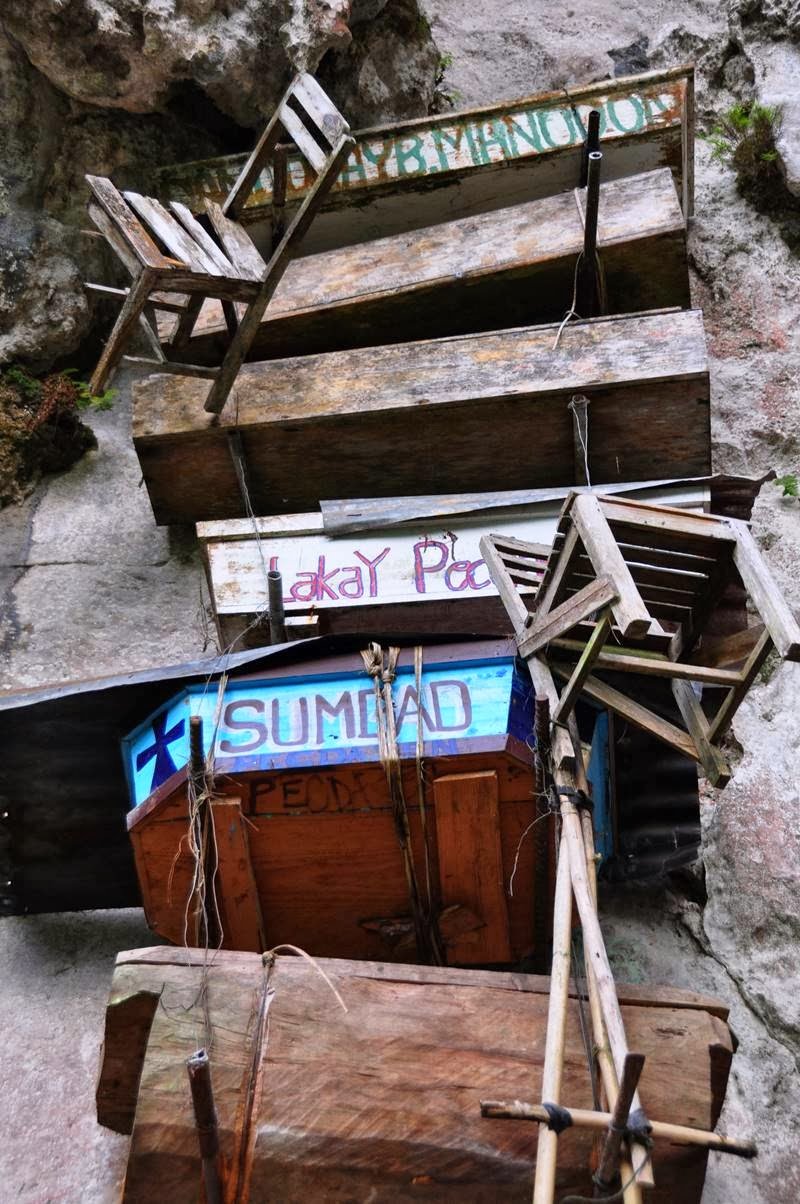
Image by Flickr User Dan & Emily
The Historical Background of the Hanging Coffins
The Igorot community has kept this tradition alive for more than 2,000 years. Their belief is simple: elevating the dead brings them closer to ancestral spirits and gods. Instead of burying bodies underground, they hang coffins on cliffs. This protects the deceased from scavengers and floods. It also gives them, in Igorot belief, a better shot at eternal peace.
Not everyone qualifies for this kind of burial, though. Only elders who lived honorably and died of natural causes earn the privilege. Because of that, the Sagada cliff cemetery carries real weight. It's a place of genuine reverence, not just curiosity.
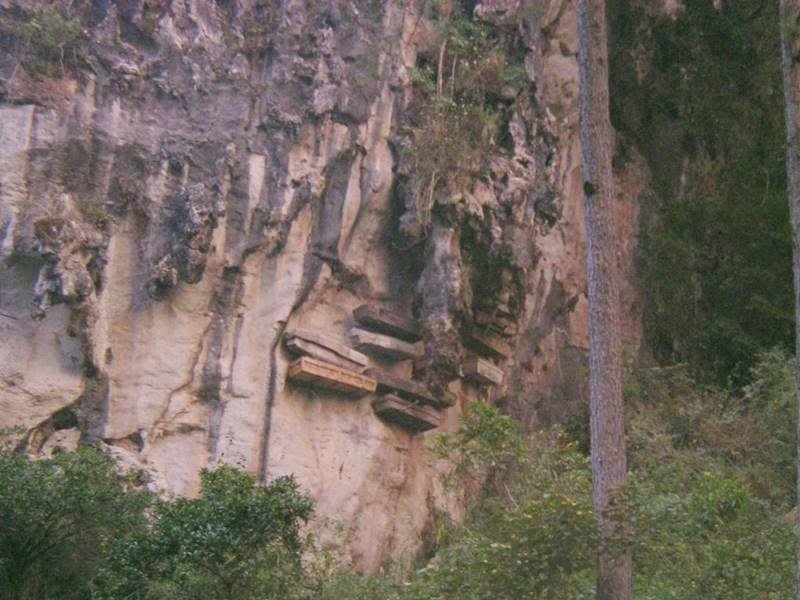
Image by Flickr User Aaron Jay Cabuling
The Process of Hanging Coffins
The tradition is careful and deeply symbolic from start to finish. When an elder passes, the family positions the body in a fetal shape. This represents a return to the womb. Often, that same elder carved their own coffin years earlier, while still alive. That makes the object deeply personal. From there, family and community members carry the body to the cliffside together.
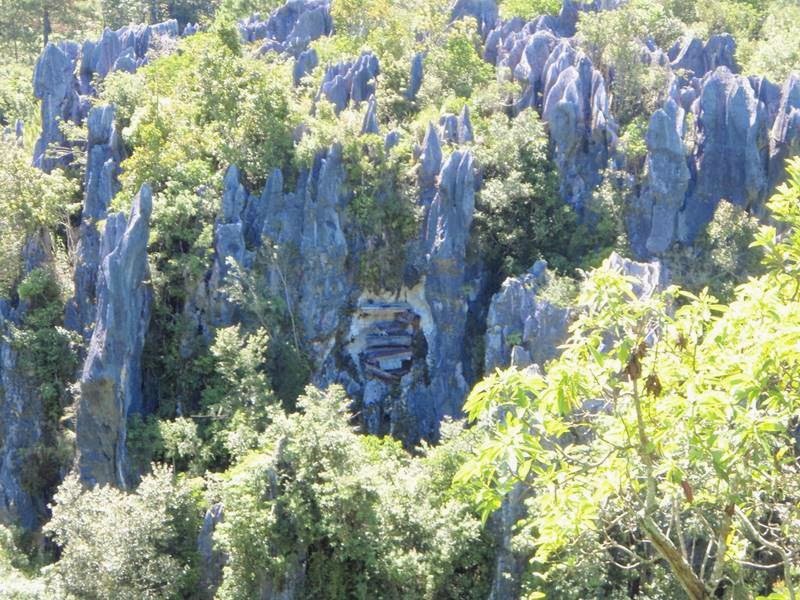
Image by Flickr User Roy Alim
Using ropes and bamboo poles, the community hoists the coffin up to its final spot. They secure it firmly to the cliff face. Even the height carries meaning here. It often signals the status or honor the person held in life. Some of these coffins are centuries old now. Time has weathered them, but they still hold firm. Each one stands as physical proof of just how unwavering this spiritual tradition remains.
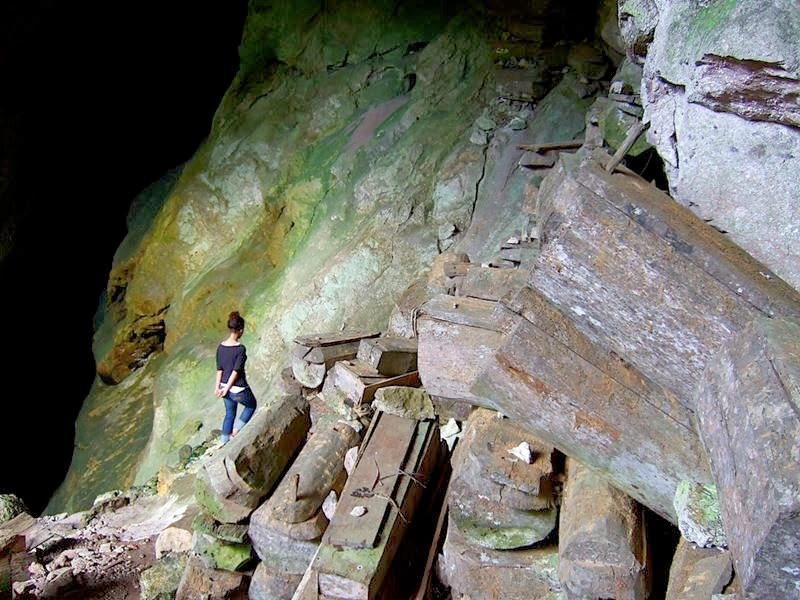
Image by Flickr User Jeff Werner
The Cultural Significance of the Hanging Coffins
At their core, the hanging coffins of Sagada represent deep respect. The Igorot people honor their ancestors this way. Placing the dead in these elevated spots is an act of honor. It keeps their spirits close to the heavens. It also reflects something bigger: a genuinely harmonious relationship with nature. Here, the cliffs themselves become sacred ground, shared by the living and the dead.
This practice is rare. Only a handful of ethnic groups, in the Philippines and in China, still carry it on today. That rarity turned the Sagada cliff cemetery into an iconic site. Filipinos and international travelers alike come here hoping to understand a tradition unlike almost anything else in the world.
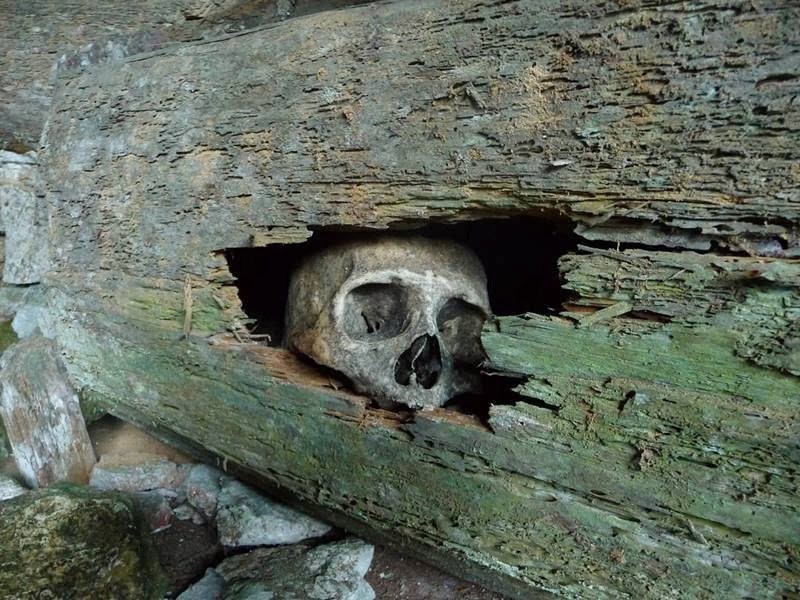
Image by Flickr User Birdandfrog
Tourism and Preserving
In recent years, tourism to Sagada has grown steadily, largely thanks to the hanging coffins. Guided tours teach visitors about the tradition. At the same time, they help protect the sanctity of the site. But more foot traffic brings more responsibility too. The community now has to actively guard the area from damage.
Local authorities and the Igorot community work together on this. They ask every visitor to follow strict guidelines. That means no touching or climbing the cliffs, full stop.
Even with more visitors arriving each year, the tradition itself remains very real. Fewer burials happen on the cliffs today than in the past. Still, the community keeps the practice alive. They do it through storytelling and ritual, and they pass it down generation after generation.
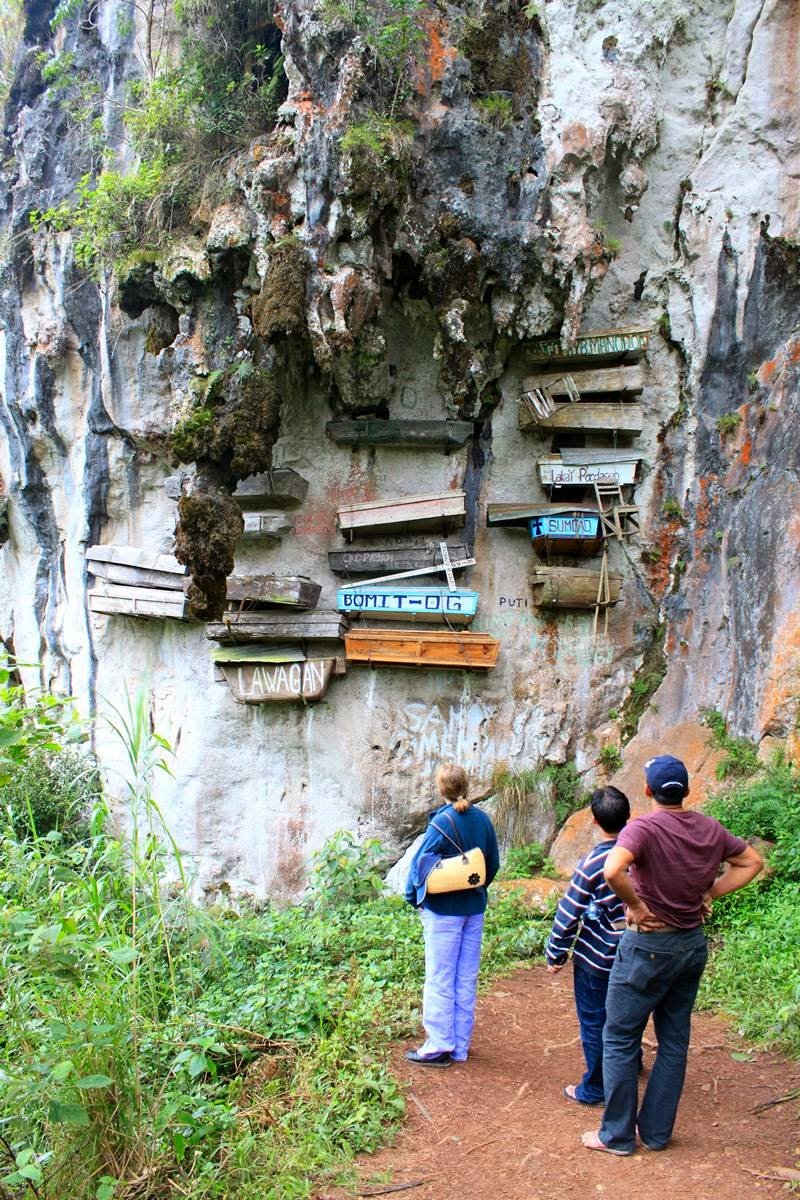
Image by Flickr User BoyReale
Visiting the Hanging Coffins
If you want to see this tradition firsthand, Sagada makes it fairly easy. Visit during the dry season, between November and February, for the best experience. The town sits surrounded by mountains and caves. That setting makes it a great base for trekking and exploring further afield. Beyond the coffins, Sagada also offers striking natural landscapes and a rich, grounded local culture. Still, the hanging coffins remain the true centerpiece of any visit.
Hire a local guide. This isn't optional. A good guide brings real historical context, and makes sure you experience the site the way it deserves. One more thing worth remembering: the hanging coffins aren't a photo opportunity first and a tradition second. They're a sacred, living part of Igorot culture, and that should shape how you show up.
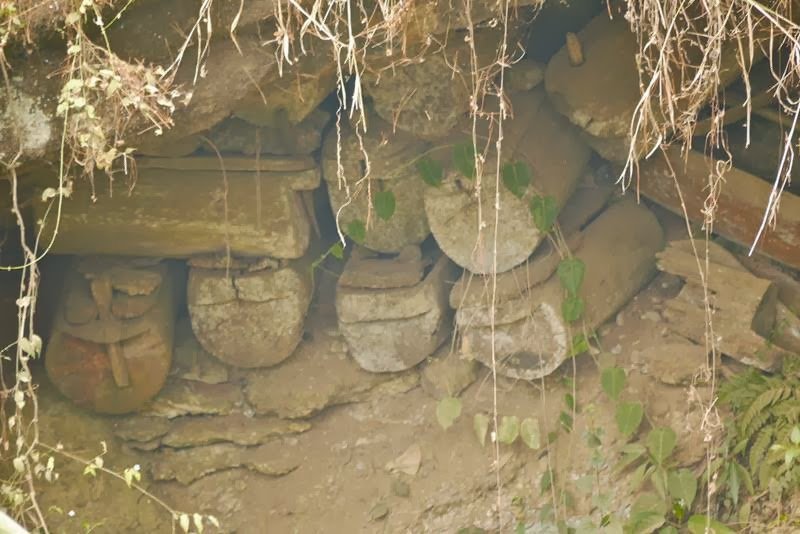
Image by Flickr User Rita Willaert
Conclusion
The hanging coffins of Sagada offer a rare window into Igorot spiritual belief. They also reveal a deep reverence for the dead. Centuries old and still standing, this tradition remains a powerful symbol of heritage and respect. It shows a lasting connection to nature too. As a visitor, your responsibility is simple. Approach the site with curiosity, respect, and care. That way, future generations get the same chance to learn from it that we have now.





Comments (0)
No comments yet. Be the first to share your thoughts!
Leave a Comment